 Reviews


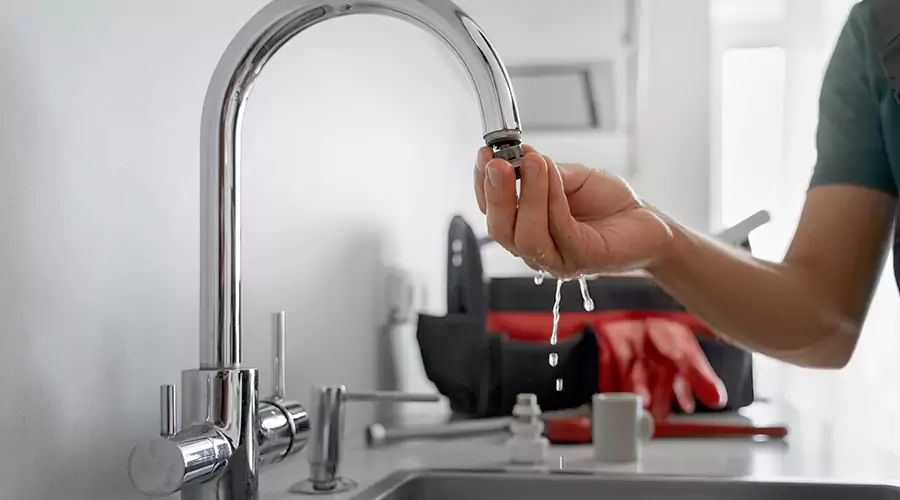
A worn faucet washer is often the silent cause behind a broken faucet that drips endlessly. When faucets are used daily, their internal parts are subjected to friction, pressure, and water minerals, which gradually wear down components like washers, O-rings, and seals. Over time, this wear manifests as a slow, continuous drip, which not only wastes water but can also cause damage to sinks, countertops, and surrounding areas. Understanding how each component contributes to a broken kitchen faucet or a broken bathroom faucet helps homeowners recognize issues early and take proper action before the problem worsens.
The Role of Washers in Faucet Functionality
Washers are small, flat rubber or silicone discs that are pressed against the faucet seat to control water flow. During faucet repair, when a faucet handle is turned off, the washer is meant to create a tight seal, preventing water from passing through.
- When a washer becomes worn or brittle, it loses its ability to create a complete seal.
- If a washer is misaligned, the seal is weakened, allowing water to slowly escape even when the faucet is turned off.
- Continuous water drips from a broken sink faucet or broken bathtub faucet are often traced back to worn washers that have been used beyond their lifespan.
Because washers are hidden inside the faucet, their deterioration can go unnoticed until the drip becomes consistent, which is why many homeowners assume that the faucet itself is faulty, when in reality, it is the small internal components that are failing.
How Mineral Deposits and Corrosion Accelerate Wear?
Water contains minerals such as calcium and magnesium, which can accumulate on faucet components over time. When a broken water faucet is examined, it is often found that these mineral deposits are interfering with the washer or the valve seat.
- Corrosion is formed when water reacts with metal parts, weakening the connection between the washer and the seat.
- Deposits make the washer surface uneven, which prevents a complete seal from forming.
- Faucets with frequent drips often show signs of corrosion or buildup around the spout or inside the valve mechanism.
Because these issues develop gradually, water wastage continues unnoticed. Studies show that even a small drip can waste up to 20 gallons of water per day, making worn washers a significant concern for both water bills and environmental impact.
Common Signs of a Worn or Broken Faucet
Recognizing a broken kitchen faucet or broken sink faucet before major damage occurs can save money and prevent extensive repairs. Some common signs include:
- Drips that persist after the faucet has been turned off completely
- Unusual sounds such as hissing or squealing when water is turned on
- Looseness in the faucet handle or difficulty in turning it smoothly
- Water stains around the sink or countertop due to prolonged dripping
When these symptoms are observed, it is usually recommended that a professional plumber inspect the faucet to determine whether a washer replacement, valve seat repair, or full faucet replacement is required.
The Process of Repairing a Worn Faucet Washer
Repairing a worn faucet washer or a broken water faucet involves several steps that are carefully followed to ensure a long-lasting fix.
- Faucet inspection: The faucet is first turned off and removed to identify worn components.
- Disassembly of Parts: Handles, nuts, and the stem are carefully removed to access the washer.
- Replacement of Damaged Components: Worn washers, O-rings, or valve seats are replaced.
- Reassembly and Testing: The faucet is reassembled and tested for leaks to ensure that the seal is properly restored.
If components like the valve seat or stem are also damaged, a full faucet repair or replacement may be recommended to prevent repeated dripping.
Differences Between Faucet Types and Common Failures
Different faucet designs experience wear differently. For example, broken bathtub faucets often develop drips due to washers wearing out inside the larger valve assembly, while broken kitchen faucets are more prone to leaks in cartridge-style mechanisms.
- Compression Faucets: Wear occurs mainly in washers and valve seats.
- Cartridge Faucets: Dripping is often caused by damaged cartridges or seals.
- Ball Faucets: O-rings and springs are common sources of leaks.
Knowing the type of faucet and its common failure points helps ensure that repairs are done correctly, and future drips are minimized.
Prevention Tips for Long-Lasting Faucets
While wear is inevitable over time, certain steps can prolong the life of a faucet and prevent continuous water drips:
- Regular cleaning to remove mineral buildup
- Using water softeners if water hardness is high
- Avoiding excessive force when turning handles
- Routine inspection for early signs of leaks
Preventive maintenance can reduce the frequency of broken sink faucet replacements and ensure that faucets operate efficiently for years.
When to Consider Full Faucet Replacement?
In cases where multiple components are worn, corroded, or incompatible with modern replacement parts, a broken kitchen faucet may require full replacement. Signs that a replacement is necessary include:
- Persistent dripping despite washer replacement
- Cracks or corrosion in the faucet body
- Difficulty finding compatible replacement parts due to age
Replacing the faucet may initially be more expensive, but it eliminates repeated repair costs and restores proper water efficiency.
Environmental and Financial Impacts of Dripping Faucets
Continuous dripping caused by worn faucet washers is not just an inconvenience. Over time, significant water is wasted, which increases household water bills and contributes to water scarcity. In addition, prolonged leaks can damage wood, tile, and countertops, creating further expenses for repair.
- Even minor drips can waste thousands of gallons per year.
- Mold or mildew can develop around persistent leaks, affecting indoor air quality.
- Plumbing components may deteriorate faster when exposed to constant moisture.
Addressing drips promptly through proper repair or replacement ensures that homes remain safe, dry, and efficient.
Final Thoughts
A worn faucet washer may seem like a small issue, but it is often the root cause of persistent leaks in a broken water faucet, broken sink faucet, or broken bathtub faucet. By understanding how wear, corrosion, and mineral buildup affect faucet components, homeowners can take early action, reduce water waste, and maintain a smoothly operating plumbing system. Repairing or replacing washers and related parts ensures that faucets function properly, protecting both the home and the environment.
Frequently Asked Questions
Why is my faucet dripping even after turning it off?
A faucet drip is often caused by a worn faucet washer or a damaged O-ring, which prevents a complete seal inside the valve. Continuous leaks are common in older kitchen or bathroom faucets.
Can a worn faucet washer damage my sink or countertop?
Yes, persistent drips from a broken sink faucet or broken bathtub faucet can lead to water stains, mold growth, and wood or countertop damage over time.
How much water is wasted from a dripping faucet?
Even a small drip from a broken water faucet can waste 20 gallons per day, which adds up to hundreds of gallons monthly, increasing water bills significantly.
Can a worn faucet washer be replaced without hiring a plumber?
Some DIY repairs are possible, but if the faucet is old or parts are corroded, professional replacement is recommended to prevent further leaks.
How do I prevent my faucet from wearing out quickly?
Regular maintenance, cleaning mineral buildup, and using gentle handle pressure can extend the life of broken kitchen faucets and prevent the washer from wearing prematurely.